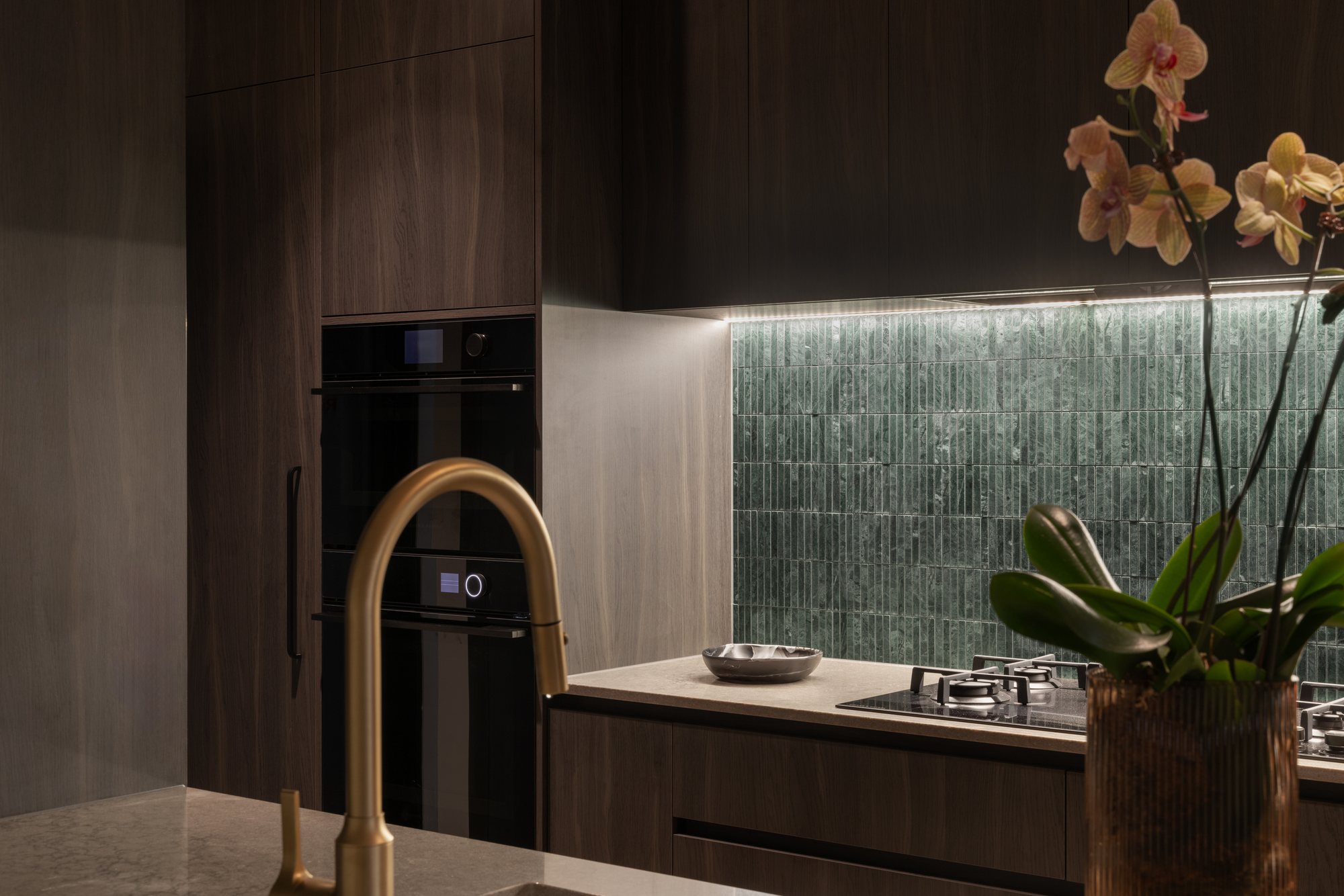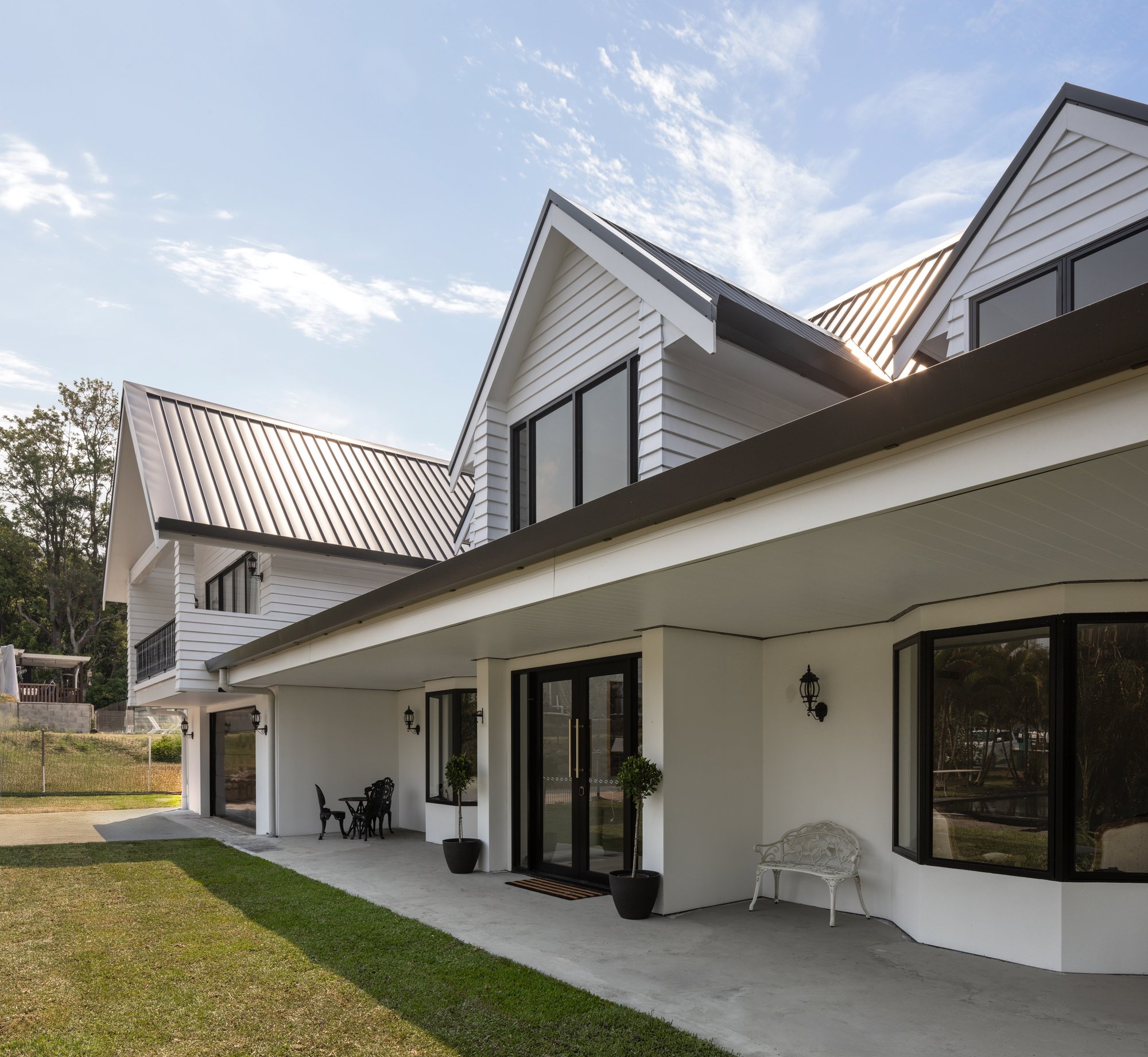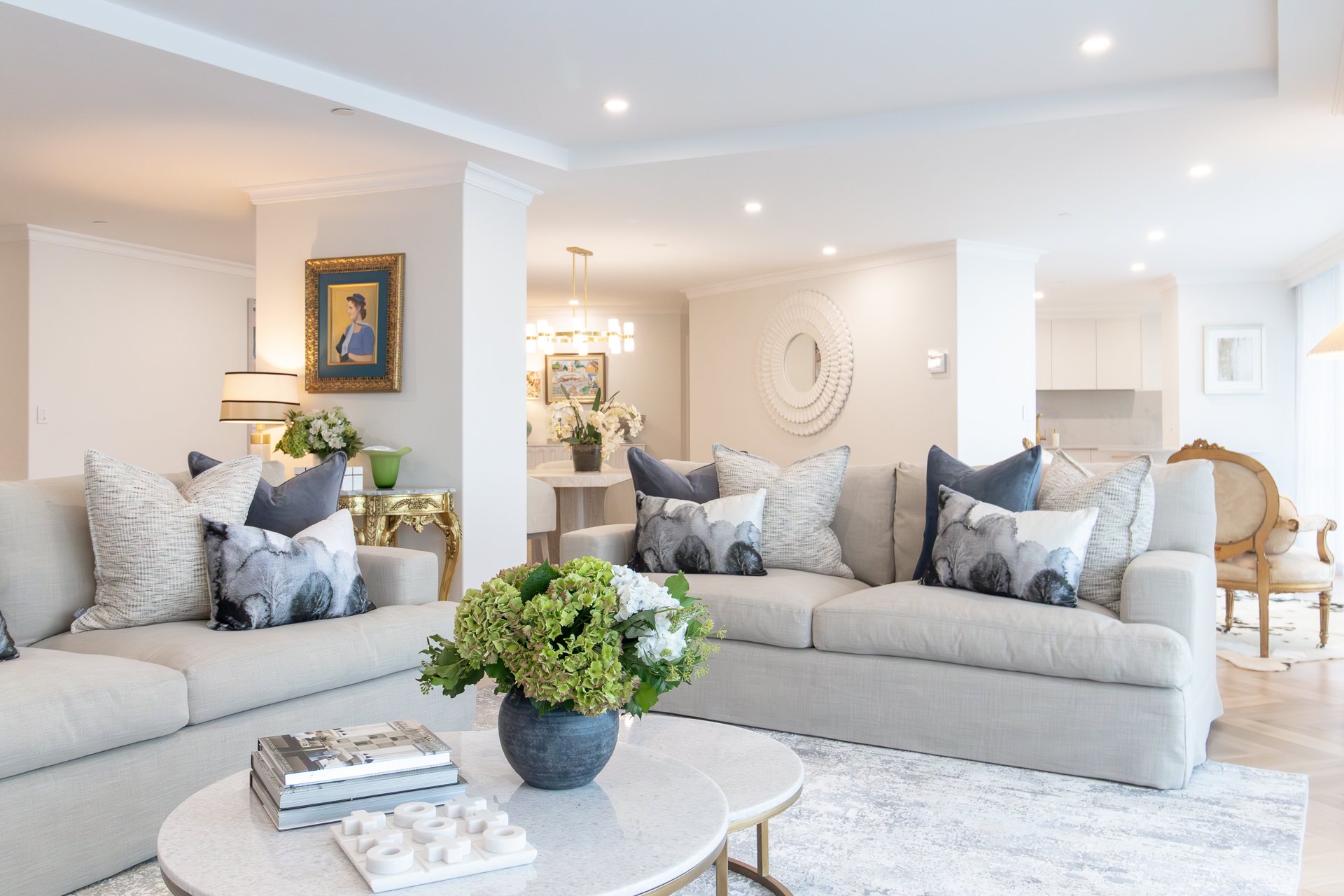
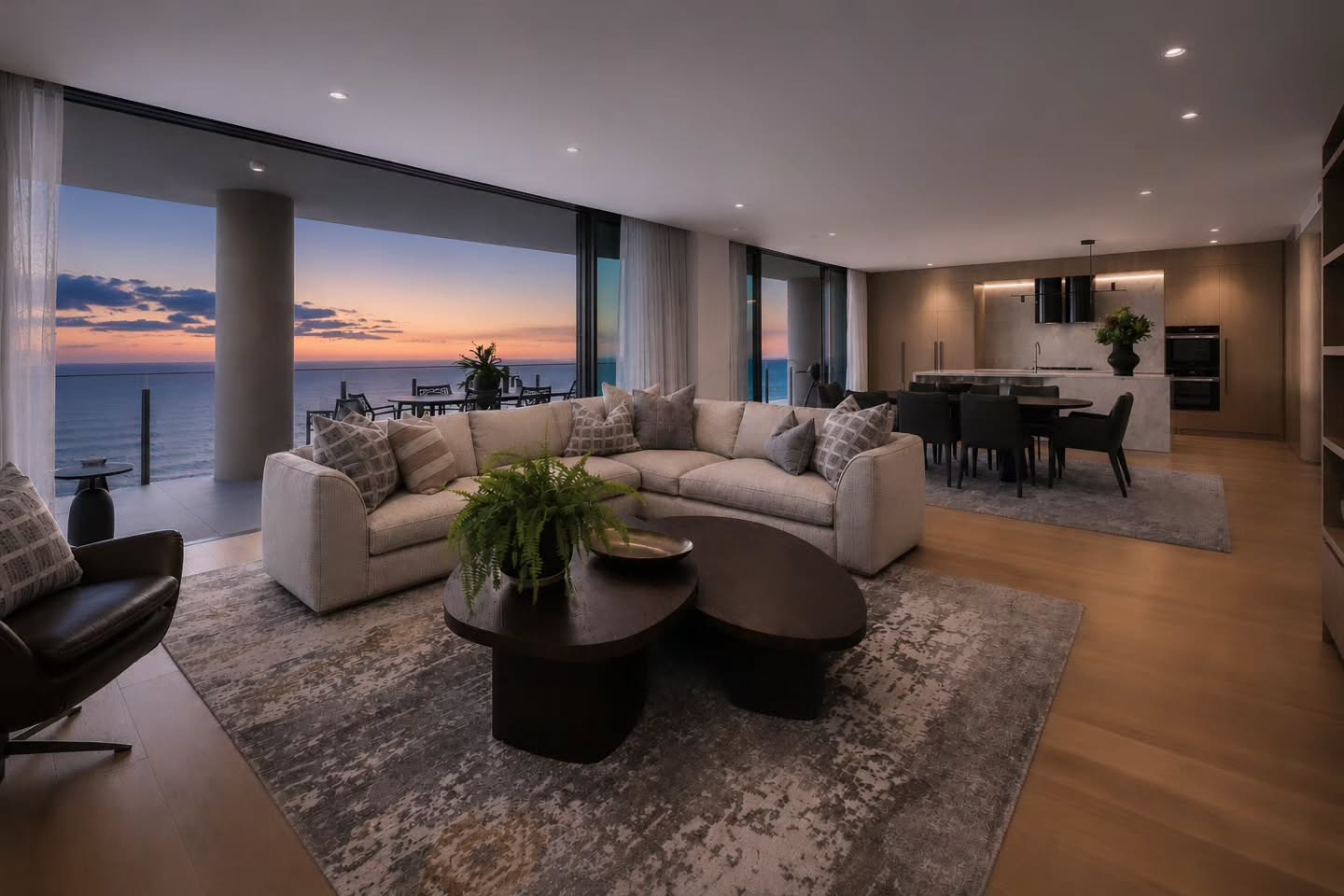
You can look at a photograph of a room and appreciate its colours, furniture and proportions. You can see how the materials work together and where the light falls.
But you can’t hear how quiet it is. Feel the breeze through an open window. Notice the texture beneath your feet or the comfort of the chair you have just settled into.
Those things are part of the design too.
We work in three dimensions: length, width and height. But I like to think there is a fourth dimension that deserves just as much attention: the sensory experience of being in a space.
It is often the part that makes a house feel like home.
Beyond what we see
Sight tends to dominate conversations about interior design. We look at floor plans, collect inspiration images and put together mood boards. These are valuable tools, but they communicate only part of the experience.
A beautiful stone floor may look perfect in a photograph. Living with it also means experiencing its temperature, texture and the sound of footsteps across it.
A kitchen can look beautifully resolved, yet the noise of the rangehood might make conversation difficult. A room with generous windows may be lovely in the morning and uncomfortable with afternoon glare.
The visual choices matter. So does what happens when you start living with them.
What does your home sound like?
Sound is easy to overlook until it becomes a problem.
Hard surfaces, open spaces and high ceilings can allow everyday noise to travel. The television competes with conversation. Kitchen activity carries into the living room. A bedroom offers less privacy than expected.
Rugs, curtains, upholstery and considered acoustic treatments can help soften sound. Spatial planning also matters: where we position a television, a laundry or a quiet place to read affects how comfortably those activities happen together.
The aim will be different in every home. Some people enjoy a lively household. Others need somewhere they can retreat from it.
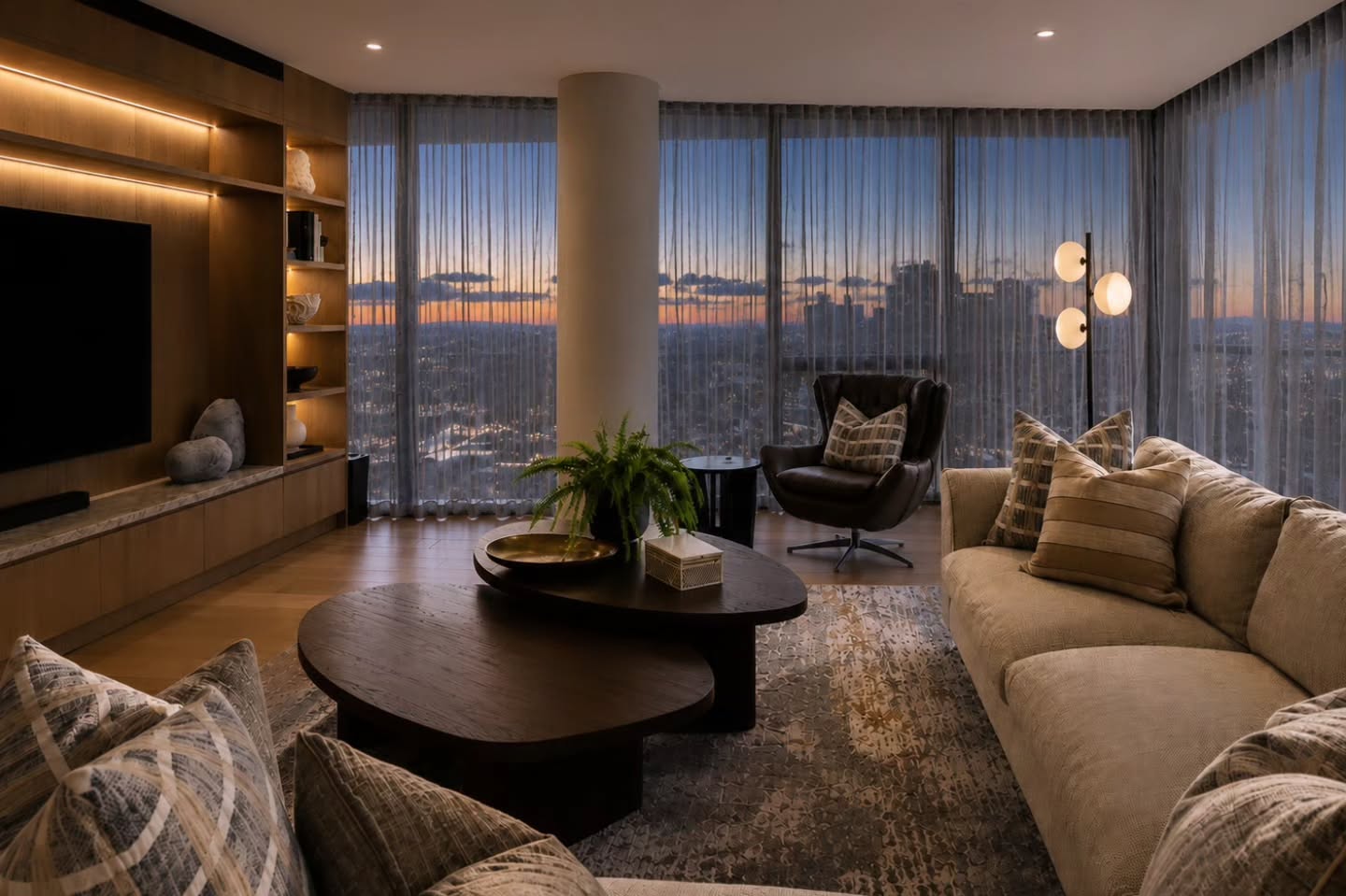
Touch, scent and the everyday rituals
The feel of a home is also in the things we touch without giving them much thought.
A comfortable armrest. A drawer handle that sits easily in the hand. Bed linen against your skin. The texture of a rug when you take your shoes off.
Smell belongs in this conversation too, although it doesn’t mean adding a scented candle to every room. Fresh air, effective extraction and somewhere for damp towels to dry can contribute more to comfort than another fragrance.
Taste enters through the rituals a home makes room for: preparing dinner, making morning coffee, sharing something delicious around a table.
We design the settings for those moments. A kitchen with enough room to cook together. A place to put your cup beside a favourite chair. A dining space where people are comfortable lingering.
Feeling comfortable is personal
There is no single formula for a home that feels good.
One person loves a cool tiled floor. Another prefers the warmth of timber. Someone enjoys music throughout the house; someone else treasures silence.
This is why understanding the people who live in a home matters so much. How do they spend their mornings? What distracts them? Where do they relax? What makes an ordinary day easier?
Those answers should influence the design as much as their favourite colours.
What a mood board can only begin to explain
A mood board helps communicate a direction. It brings together materials, colours and furniture so clients can begin to see the relationships between them.
The full experience emerges when those choices meet the space, the light and everyday life.
Part of my role is to explain the thinking behind those decisions, including the qualities that are harder to show on a screen.
At Earthborne By Design, we begin by resolving how a home works. That includes paying attention to how it will be experienced.
Because a room has three dimensions. The way we experience it adds another.
If you’re planning changes to your home, let’s talk about how you want to live in it, and how you would like it to feel.
Regards
Paul Coulson - Interior Designer
0411619369